Gratis Website Maken: De Beste Alternatieven voor Webklik
Webklik was pionier in Nederland als het gaat om het aanbieden van tools voor het gratis website maken. Sinds onze start in 2006 zijn er meer dan 500.000 websites gecreëerd met Webklik.
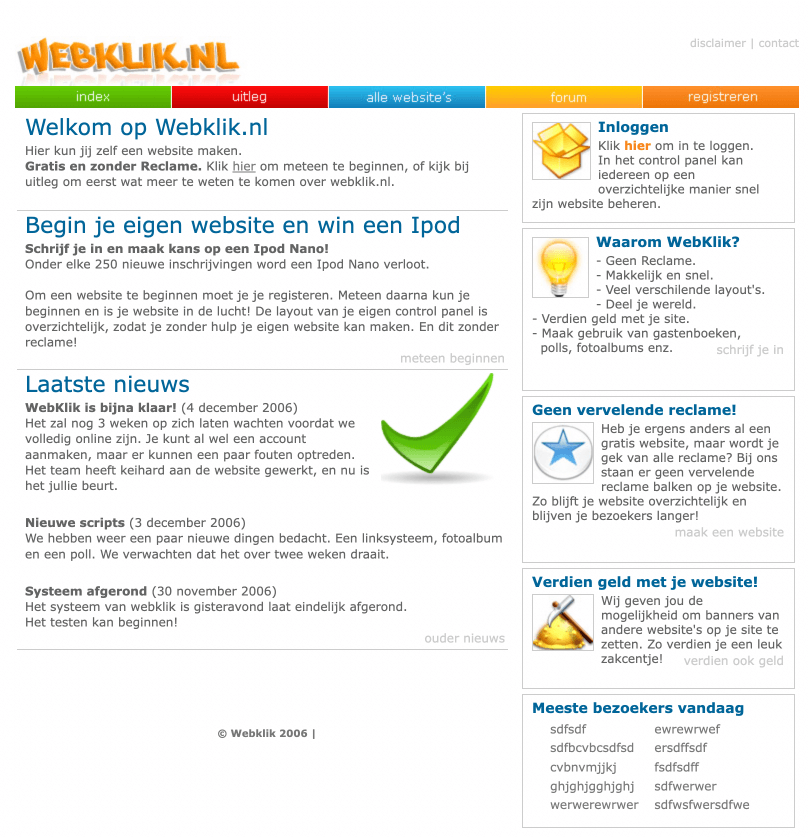
De Webklik Webbuilder is helaas niet meer beschikbaar voor nieuwe klanten.
Hoewel de originele versie van webklik.nl al meer dan 17 jaar geleden werd gelanceerd, is de Webklik Webbuilder sinds 2018 niet meer beschikbaar voor nieuwe klanten. Dit komt omdat Webklik zich nu volledig richt op WordPress Hosting. Maar geen zorgen! Als je op zoek bent naar een manier om een gratis website te maken, hebben we hieronder een uitstekend alternatief voor je.
Gratis Website Maken: waar moet je op letten:
In het digitale tijdperk van vandaag is een eigen website bijna onmisbaar. Of je nu een ondernemer, freelancer, hobbyist of blogger bent, een website is een onmisbaar platform om jezelf of je bedrijf te presenteren. Gelukkig is het dankzij moderne technologieën en platforms mogelijk om een gratis website te maken. Maar hoe begin je eraan? En welke tools zijn het beste voor jouw behoeften? In deze gids duiken we dieper in op het thema “gratis website maken”.
Waarom een Gratis Website?
- Kostenbesparing: Voor startende ondernemers of individuen kan het financieel zwaar zijn om te investeren in een professioneel ontworpen website. Gratis websitebouwers bieden een kosteneffectieve oplossing om online te gaan zonder de bank te breken.
- Eenvoud: De meeste gratis websitebouwers zijn ontworpen met beginners in gedachten. Ze bieden drag-and-drop functionaliteit, waardoor je geen kennis van codering of webdesign nodig hebt.
- Snelheid: Je kunt binnen enkele uren of zelfs minuten een functionele website hebben.
Overwegingen bij het Kiezen van een Gratis Websitebouwer
Hoewel het verleidelijk kan zijn om voor de eerste de beste gratis websitebouwer te kiezen, zijn er enkele belangrijke overwegingen:
- Functionaliteit: Biedt de tool de functies die je nodig hebt? Dit kan variëren van e-commerce integraties tot blogfunctionaliteit of galerij-opties.
- Branding: Sommige gratis websitebouwers plaatsen hun branding op je site, wat niet ideaal is als je een professioneel imago wilt uitstralen.
- Domeinnaam: Veel gratis opties bieden een subdomein (bijv. jouwnaam.websitebouwer.com) in plaats van een gepersonaliseerd domein.
- Opslag en bandbreedte: Afhankelijk van de grootte van je website en het verkeer dat je verwacht, zijn deze factoren belangrijk om te overwegen.
Populaire Gratis Websitebouwers
- Wix: Een van de meest populaire platforms, Wix biedt een intuïtieve drag-and-drop interface en een breed scala aan sjablonen. De gratis versie komt echter met Wix-advertenties op je site.
- Weebly: Ook een drag-and-drop bouwer, Weebly is gebruiksvriendelijk en biedt e-commerce functies, zelfs op het gratis plan.
- Jouwweb: Een gratis website maken dienst van nederlandse bodem, zeer gebruiksvriendelijk en natuurlijk ondersteuning in je eigen taal!
Voordelen van Upgraden
Hoewel het mogelijk is om een gratis website te maken, zijn er voordelen verbonden aan het upgraden naar een betaald plan:
- Gepersonaliseerd Domein: Een eigen domeinnaam verhoogt de professionaliteit van je site.
- Geen Advertenties: Betaalde plannen verwijderen vaak de branding en advertenties van de websitebouwer.
- Meer Opslag: Voor sites met veel inhoud of media.
- Geavanceerde Functies: Denk aan e-commerce tools, SEO-tools, en meer.
Conclusie
Het maken van een gratis website is een uitstekende manier om je online aanwezigheid te starten. Het biedt een risicovrije manier om de wateren van de digitale wereld te testen. Echter, naarmate je groeit, kan het zinvol zijn om te investeren in een betaald plan om de volledige voordelen en functionaliteiten van webhosting te benutten. Ongeacht je keuze, het belangrijkste is om te beginnen en jezelf of je bedrijf aan de wereld te presenteren.
Jouwweb: Het Gratis Alternatief voor Webklik
Jouwweb, een Nederlandse websitebuilder uit Eindhoven, is een uitstekend alternatief. Interessant is dat het Webklik-team van 2009 tot 2016 ook in Eindhoven was gevestigd. We kennen de makers van Jouwweb persoonlijk en kunnen met vertrouwen zeggen dat ze uitstekend werk hebben geleverd.
Onze beoordeling
* Word je via onze affiliate link klant bij Jouwweb? Dan krijgen we daar een vergoeding voor.
Waarom kiezen voor Jouwweb?
Een goed alternatief voor Webklik
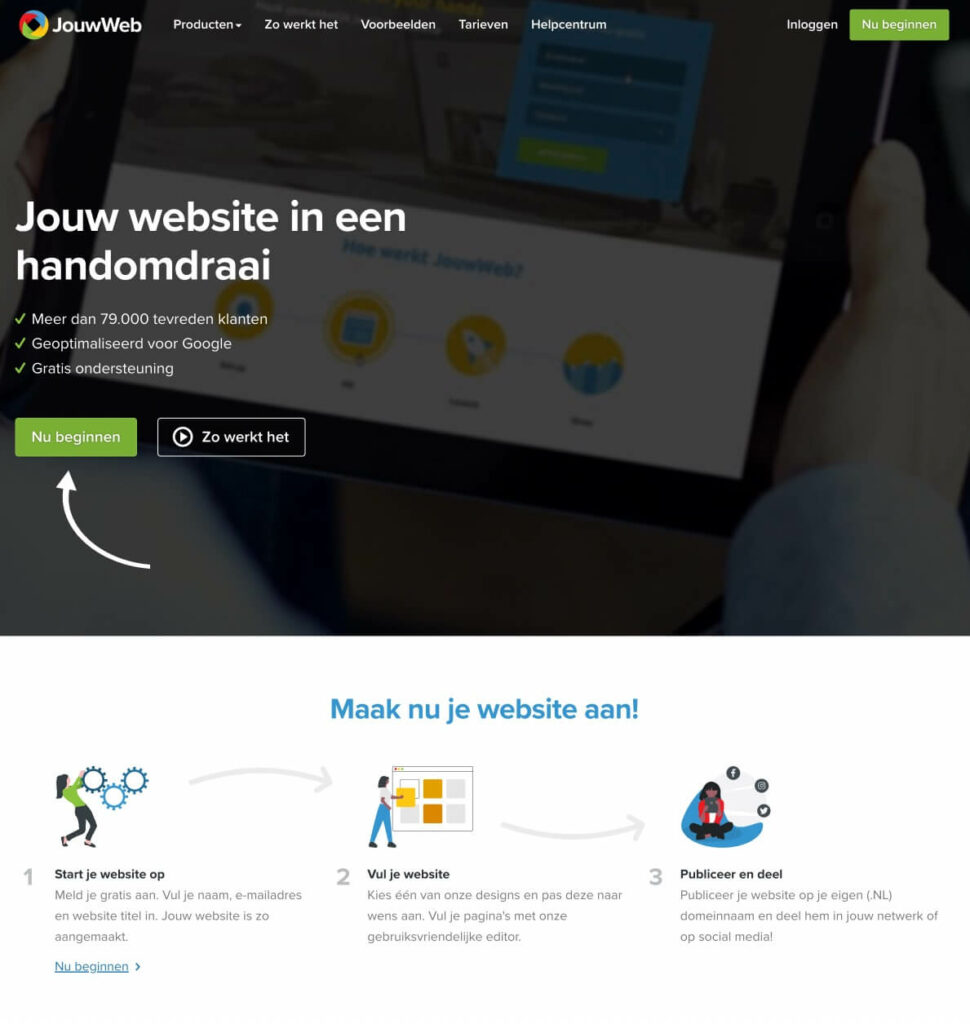
Als we het hebben over het beste alternatief voor de Webklik Webbuilder dan komen we eigenlijk direct bij Jouwweb uit. De mogelijkheden van de webbuilder zijn eindeloos en het is zeer eenvoudig in gebruik. We kunnen deze webbuilder dan ook vol overtuiging aanbevelen.
Als je op zoek bent naar het beste alternatief voor de Webklik Webbuilder, dan is Jouwweb de juiste keuze. De webbuilder biedt eindeloze mogelijkheden en is zeer gebruiksvriendelijk.
De webbuilder van Jouwweb is in de loop der jaren uitgegroeid tot een volwaardige alternatief voor de Webklik Webbuilder en heeft heel veel te bieden voor een schappelijke prijs.
Extra Voordelen van Jouwweb
Naast het gratis maken van websites, biedt Jouwweb ook de mogelijkheid om een webshop te starten. Er zijn diverse integraties beschikbaar, zoals koppelingen met het verzendplatform Sendcloud voor pakketlabels van PostNL, DHL, Bpost en meer. Bovendien kun je betalingen ontvangen via iDeal, Paypal, overboeking, Creditcard en andere betaalmethoden.
Klik hier om de webbuilder van Jouwweb* te proberen, je zult er zeker geen spijt van krijgen.
Waarom toch liever Kiezen voor de Betaalde WordPress Hosting van Webklik?
WordPress is een van de populairste contentmanagementsystemen (CMS) ter wereld, en met goede reden. Het is flexibel, gebruiksvriendelijk en kan worden aangepast aan bijna elke online behoefte. Hoewel er gratis hostingopties beschikbaar zijn, bieden betaalde oplossingen, zoals die van Webklik, aanzienlijke voordelen die de investering meer dan waard zijn. Hier zijn enkele redenen waarom je zou moeten overwegen te investeren in de betaalde WordPress hosting van Webklik:
1. Superieure Prestaties
Betaalde hostingoplossingen hebben vaak betere servers, wat leidt tot snellere laadtijden voor je website. Een snellere website biedt niet alleen een betere gebruikerservaring, maar kan ook je SEO-ranking verbeteren.
2. Betere Beveiliging
Webklik’s betaalde WordPress hosting biedt geavanceerde beveiligingsmaatregelen die je site beschermen tegen hacks, malware en andere bedreigingen. Regelmatige back-ups en beveiligingsupdates zorgen ervoor dat je website en gegevens veilig zijn.
3. Ondersteuning van Experts
Met een betaald abonnement krijg je toegang tot onze super klantenservice en technische ondersteuning. Dit betekent dat als je een probleem of vraag hebt, er een team van experts klaarstaat om je te helpen.
4. Aangepaste Domeinnaam
Een eigen domeinnaam (bijv. www.jouwwebsite.nl) is professioneler en geloofwaardiger dan een subdomein (bijv. jouwwebsite.wordpress.com). Met Webklik’s betaalde hosting krijg je een aangepaste domeinnaam, wat onmisbaar is voor branding en herkenbaarheid.
5. Meer Opslagruimte
In tegenstelling tot gratis hostingoplossingen, bieden onze betaalde pakketten aanzienlijk grotere opslagruimte. Dit is vooral handig voor websites met veel media, zoals afbeeldingen, video’s en downloads.
6. Geen Advertenties
Gratis hostingoplossingen plaatsen vaak advertenties op je site, wat afleidend kan zijn voor bezoekers en afbreuk kan doen aan je merkimago. Met betaalde hosting van Webklik is je site volledig advertentievrij.
7. Flexibiliteit en Schaalbaarheid
Naarmate je website groeit, heb je misschien meer resources nodig. Betaalde hostingoplossingen zijn schaalbaar, wat betekent dat je gemakkelijk kunt upgraden naarmate je behoeften veranderen.
8. Geavanceerde Functies en Plugins
Met betaalde hosting heb je toegang tot premium plugins en thema’s, waardoor je je website verder kunt aanpassen en optimaliseren zodat deze helemaal naar jouw wens is.
Conclusie
Hoewel het verleidelijk kan zijn om te kiezen voor gratis hosting, bieden betaalde WordPress hostingoplossingen van Webklik een scala aan voordelen die de groei en het succes van je website kunnen stimuleren. Van superieure prestaties en beveiliging tot professionele ondersteuning en flexibiliteit, de investering in kwaliteitshosting zal op de lange termijn vruchten afwerpen.